STFM Member Bikes Across the Country, Recording Small Town Health Care Access Stories

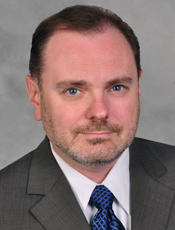
Paul Gordon, MD, MPH recently started his two-month bicycle tour from the Washington, DC to Seattle,  stopping along the way to learn what people think of the Affordable Care Act.  On his journey, called the Bike Listening Tour, Dr Gordon will visit small towns across the nation and record interviews with locals about their thoughts on the Affordable Care Act.

Watch the video below to hear from Dr Gordon about his trip.

To learn more about the Bike Listening Tour and to follow Dr Gordon during his trip, read his blog at https://bikelisteningtour.wordpress.com.

How I’ve Changed and Am Changing

How the STFM Behavioral Science/Family Systems Educator Fellowship Influenced My Professional Development

  1. Step to the beat of a different drummer
  2. Bring your gift (pa-rum-pa-pum-pum)
  3. Support the rhythm of the group

—Hugh Blumenfeld

Amber Cadick, PhD, HSPP

Amber Cadick, PhD, HSPP

During the keynote address at the STFM Annual Spring Conference last spring, the presenter spoke about the Beatles and which band member everyone would be. Our table, made up of my small group, decided that we would be the “Ringos.” We are the quirky faculty members, the ones that aren’t quite like the others. However, much like Ringo, we keep the beat and know when the rhythm is starting to go astray.

Prior to starting STFM’s Behavioral Science/Family Systems Educator Fellowship, I felt very alone in my position. I had my predecessor to use as a support, but she was busy starting her new position in a different city. I had her files, her old calendar, and her desk, but I felt very alone and concerned that I had made a terrible mistake leaving the familiarity and regulations of the Department of Veterans Affairs. My life was definitely a wild, irregular drum beat.

Continue reading

Med School Gap Year: One Student’s Journey Advocating for Health Care

Stanford Tran

Stanford Tran

While my medical school classmates were deep in their sub-I’s, I took a year off and spent my days being chased off parking lots by grocery store managers. I often wondered what I was doing and how did I manage to drift so far from medicine.

I found myself in this unenviable position by trying to change the health care landscape. Health care in America is fragmented, expensive, and often ineffective. This has been self-evident for 20 years, yet the problem is getting worse. We have a health care system shaped largely by government policies and government dollars, and, conversely, we have a federal budget that is shaped largely by health care spending. Since I wanted to be an agent of health care reform, I thought the obvious way to do that was to run for a seat in the House of Representatives.

Sure, it is unconventional to run for federal office as a first-time candidate, to have no money or donors, and to have lived in the district for less than 3 years, but these are, in medical lingo, soft contraindications. The mechanics of running for public office is pretty much the same no matter which office—you spend your days begging for votes or for money, which in turn helps you beg for votes. You get the distinct feeling of being a panhandler, replete with being chased off from grocery stores. The only difference is that as a candidate, you are better dressed. People innately realize this because while many are politically opinionated, few ever imagine slumping to the level of a political candidate.

Continue reading