
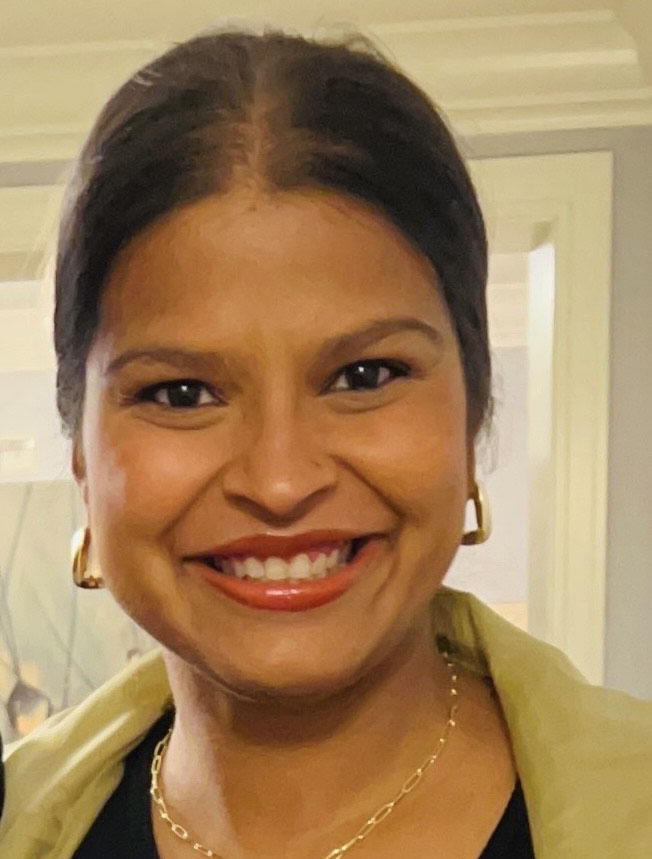
STFM Medical Editing Fellow (2023-2024)
The path of a community physician is replete with personal patient interactions, localized health solutions, and the day-to-day fulfillment that comes from serving the immediate needs of a community. Yet, the pursuit of scholarship can sometimes seem like a distant reality, reserved for those in academia or large research-focused institutions. The Society of Teachers Family Medicine (STFM) Medical Editing fellowship presented me with a bridge between these two worlds, offering a community physician and educator a pathway to enhance my scholarly pursuits. My experience as a fellow has augmented my career in ways I had scarcely imagined.
For community physicians, scholarship often takes a back seat to the pressing demands of patient care. The STFM fellowship has opened the doors to the world of medical literature, providing tools and opportunities to contribute to the broader academic conversation without sacrificing the essence of community practice. I have come to embrace and recognize the similar skill set required in managing a patient… and managing a manuscript.
For me, the fellowship has been instrumental in the cultivation of a critical eye. As a physician, critical appraisal of literature underpins out practice, but the editorial lens is discerning of not just the content but the clarity, coherence, and contribution of a piece to the existing body of knowledge. This deepened sense of discernment is a skill that has enhanced both my practice and my teaching.
Moreover, engaging in the editing process has expanded my network, connecting me with authors, researchers, and educators from diverse backgrounds. These interactions have not only enriched my understanding of various healthcare issues but have also positioned me as a liaison who brings community based concerns to a national platform. I have the opportunity to become increasingly involved in dialogues that shape family medicine education and policy, thereby influencing patient care on a much broader scale.
The art of editing also cultivates the skill of writing, an invaluable asset for any physician-scholar. With each manuscript I review and edit, I hope that my own writing has become more precise and impactful. The enhanced visibility of my work fosters further scholarly opportunities, contributing to a virtuous cycle of academic growth and reputation- building in the medical community.
Furthermore, the mentorship inherent in the fellowship has been a rich source of professional development. Learning from seasoned editors and educators has provided me with a unique perspective on leadership in medicine. The mentorship provided has paved the way for long term relationships that support my ongoing professional journey.
The STFM fellowship has catalyzed my evolution from a community physician to a physician-scholar. It has afforded me the platform to contribute to important conversations in family medicine and to apply those insights directly to my learners, patients, and community. It has also taught me the value of scholarly activity as a means of professional satisfaction and career advancement. Community physicians have much to contribute to the landscape of family medicine and we should amplify our voices, share our unique insights, and ultimately enhance the health of our communities through scholarship.
Learn more about the STFM Medical Editing Fellowship and how to apply at https://www.stfm.org/medicaleditingfellow


 STFM Blog