
“It’s simply the way my mind works. I’ve always been drawn to thinking through, analyzing, and problem‑solving around things that are hard to understand.”
Molly Clark, PhD
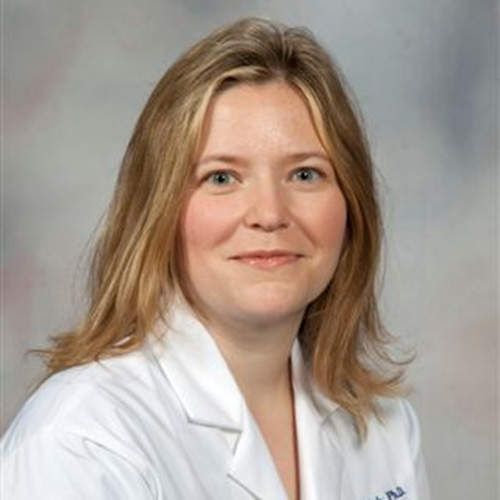
Incoming STFM President Molly Clark, PhD, is a natural-born problem-solver. “I grew up wanting to write mysteries, become an attorney, or work as a spy. Maybe it was all the countless hours spent with my grandparents watching MacGyver, Matlock, or Murder, She Wrote, but something about that world drew me in. By the time I was 13 years old, I knew psychology was the profession for me, and I never wavered from that path.”
When asked what drew her to family medicine, Dr Clark explained, “I always enjoyed partnering with physicians—both as a student working in a health clinic and later as a resident. It was during my own residency I saw firsthand that strategic partnering led to making greater impacts in the field.”
The desire for collaboration in the name of greater impact is what ultimately brought Dr Clark to STFM. “STFM has the magic. The members and the STFM staff are among the most talented, dedicated, and generous people I have ever met. I always leave conferences with more colleagues, more ideas, and more passion.”
In fact, when it comes to the STFM member resources Dr Clark finds herself frequenting most often, she says the greatest benefit of STFM membership lies in accessing the collective wisdom of members themselves. “I think my most utilized STFM resources are my fellow members! Whether I’m reaching out for mentorship through Quick Consult or connecting on the STFM CONNECT platform, being able to tap into the expertise of so many who are doing remarkable work is so valuable.”
“There is a deep, neverending need for compassion and healing in this world,” Dr Clark went on to explain. “Every day I wake up is another opportunity to pay that forward.”
Pay forward she does, in her work as a professor and fellowship director at the University of Mississippi Medical Center Program in Jackson, MS. “I hope medical students and residents know they have a tremendous gift, but with this gift comes remarkable responsibility. So much time as a young person is spent second guessing decisions or waiting to feel ‘ready,’ and assuming everyone else has the answers. The truth is, you know more than you think, and you’re more capable than you give yourself credit for. Take time for discernment, and recognize that when you move forward with confidence, doors begin to open. Everything else—skills, clarity, courage—they tend to grow only after you begin. Challenge yourself to never forget the person in your care is someone’s someone and they are relying on you to hold their care in your hands.”
When asked about her plans for the STFM presidency, Dr Clark’s excitement to continue communal partnering for greater impact is palpable. “This is an incredible time of opportunity for family medicine and the next generation of family medicine educators. I look forward to collaborating with our members to ensure the mission and vision that shaped family medicine remain central as we continue to grow and evolve.”
“There are two pieces of wisdom that have stuck with me through the years,” Dr Clark explained when asked about the energy she brings to the presidency. “The first is the rearview mirror is smaller than the windshield for a reason—let the past inform you, but don’t let it obscure where you’re going. The second is a quote often attributed to Native Americans: ‘When you were born, you cried and the world rejoiced. Live your life so that when you die, the world cries, and you rejoice.’ I hope to live a life of service that fulfills that sentiment.”
That desire to lead a life of service paired with her intrinsic, mystery-loving, problem-solving attitude extends beyond her work with the University of Mississippi Medical Center and with STFM. “I love being outdoors, in the country, and on a farm,” Dr Clark said. “I enjoy growing food for my family and learning a variety of skills I consider ‘lost arts.’ Whether it’s sewing, building furniture, or taking on a new DIY project, I’m always learning something new.”
Dr Clark will be sworn in as STFM President during the 2026 STFM Annual Spring Conference in New Orleans, LA. She has previously served as STFM member-at-large and on the Behavioralist and Family Educator Fellowship Steering Committee.
 STFM Blog