Crowdsourcing Ideas About Open Innovation: How Can STFM Raise the Faculty Development Bar Even Higher?

Rick Bothelo, MD

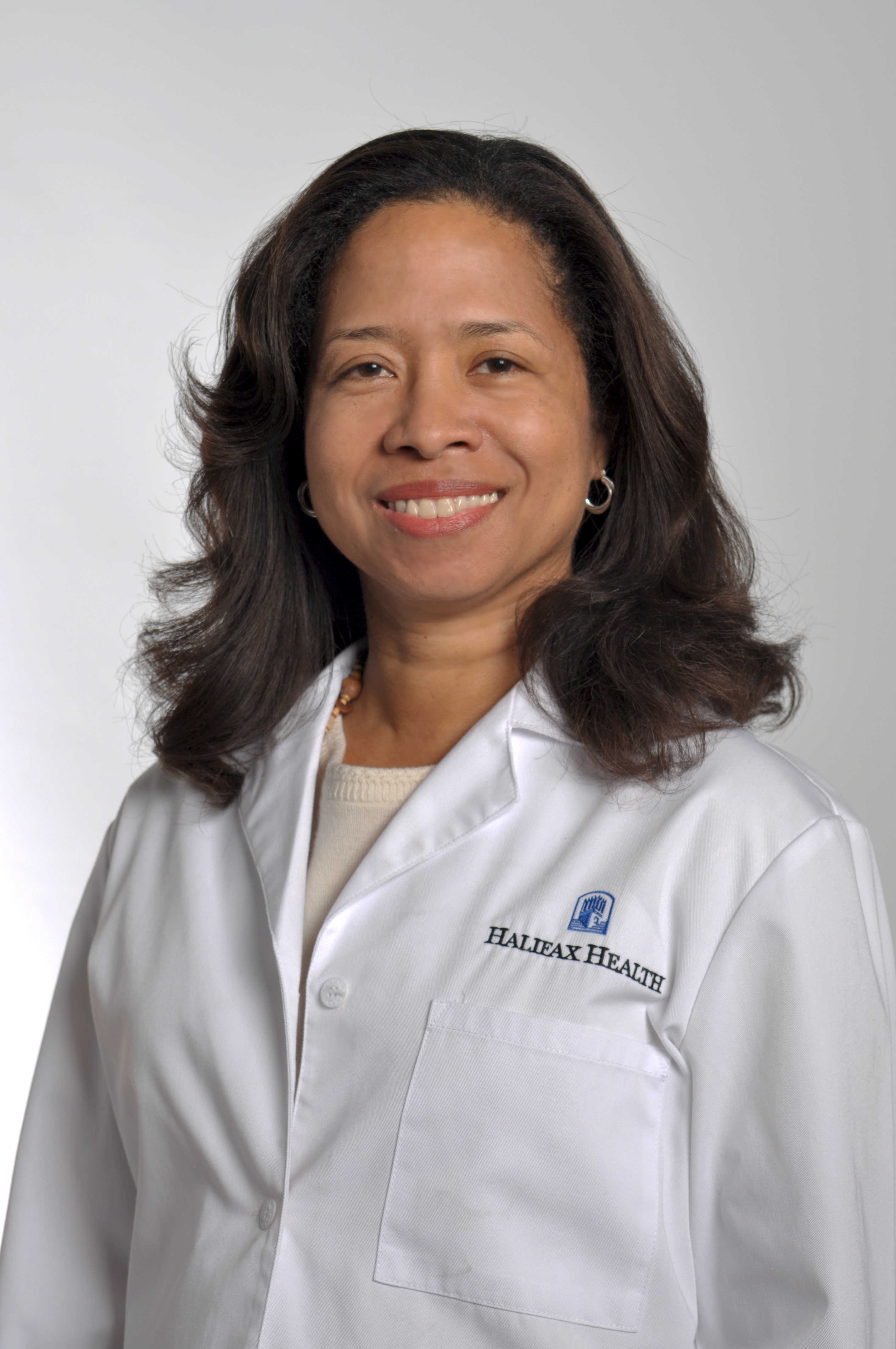
Rick Botelho, MD

All five goals of STFM’s strategic plan address innovation directly or indirectly, to varying degrees. The STFM 2013 Annual Report documents remarkable progress in innovation. Yet, most STFM members have had little or no training in developing innovations during their formal education. Furthermore, STFM’s achievements were made without developing any formal governance policies on open innovation.

Propose Faculty Development Programs on Innovation
Innovation and leadership development are complementary and separate skill sets. We need faculty development programs for both skills sets, so that we can create an academic home to accelerate our organizational development.1 STFM needs a formalized and structured faculty development process to enhance our capabilities and capacities to develop innovations that build on our significant achievements. What if STFM considered the need for faculty development programs on open innovation to be as important as leadership development?

Foster Open Innovation
Translating this business concept to health care, open innovation involves:

  • Creating new processes, methods, programs, services and products through the collaborative and boundary-less exchange of ideas, between silos within and across organizations, communities, networks and systems2,3
  • Enhancing free-flowing dialogues, inclusive participation and transparent accountability in ways that cultivate bottom-up, horizontal and top-down organizational synergies4,5
  • Coordinating a pro-active, comprehensive and ongoing change management process to foster a membership-wide process of creating leadership, administrative, educational, research, and clinical innovations, such as catalytic innovations.

Create Catalytic Innovations Continue reading →

Election Paradox

Stacy Brungardt, CAE STFM Executive Director

Stacy Brungardt, CAE
STFM Executive Director

If you read the actions from the August Board meeting, you saw a list of governance changes the STFM Board approved, including the move from a contested election to a slate. The reasons behind this change are complex and have been debated in robust fashion over the past year. Ultimately, the Board thinks it is better for STFM, its members, and the discipline for STFM to expand its Nominations Committee, have a more open and transparent election process, and move to having members vote on a slate.

A wise member, John Franko, MD, explained that the issue is not a problem, it is a paradox, ie, two different ways to approach an issue, neither of which are entirely right or wrong. This was a key learning from Ralph Jacobsen’s book about organizational processing of paradox. Jacobsen’s perspective is that leaders need to manage the tension created by paradox and use it to create and innovate.

What great insight to help us consider this issue.

There will be members who like the change to a slate and some who disagree. We heard both sides in our discussions with members, committees, Board members, and task force members. Each side has its pros and cons, and as we weighed both approaches, the opportunity to be more intentional about getting the best talent and the appropriate diverse composition on our Board won out. At a minimum, I hope it is apparent that this was a thoughtful process that recognizes the tension created by this paradox.

You’ll be seeing the specific bylaws changes related to these issues in early November.

As always, we welcome hearing from you.

My Experience Mentoring Behavioral Science Faculty: Getting Back Much More Than I Gave

“The mediocre teacher tells. The good teacher explains. The superior teacher demonstrates. The great teacher inspires.” —William Arthur Ward

Kathryn Fraser, PhD

Kathryn Fraser, PhD

I honestly never imagined how rewarding it would be to help others who are starting out on their path as behavioral medicine faculty. In my own experience as a new behavioral science faculty member, I was sometimes ignored, criticized, and questioned straight to my face about my knowledge and my credibility. Fortunately, a series of very supportive program directors and fellow faculty helped me through some tough times and helped me find my voice. I often imagined what it might be like for new behavioral scientists who felt less than supported in their jobs.

My experience being a small-group mentor in the Behavioral Science/Family Systems Educator Fellowship (BFEF) was truly magical. My co-mentor and I were both focused on fostering an environment of growth and encouragement—we wanted to help the fellows to spread their wings and also feel well grounded in this unique field. Advising the fellows on teaching activities was only a small part of what we did. The bigger tasks were teaching them about self-care, helping them develop a strong professional identity as behavioral faculty, and helping them set professional boundaries. It is easy to feel like you are on the periphery since behavioral science is often considered by residents to be a small part of what they really need to learn. We try to help the fellows understand that their contributions are crucial to one of the cornerstones of family medicine—the physician-patient relationship.

The mentoring we received from the leaders of the BFEF was phenomenal. At planning meetings I felt like I was part of a think tank helping to pave the way for the future of behavioral science. This group helped bring out the best in me as a teacher and a mentor. Their support, warmth, and kindness made them excellent role models for the small-group mentors as we attempted to provide a safe, effective growing space for our up and coming fellows.

Continue reading →