

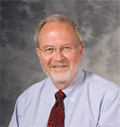
John Frey, MD
I have been attending STFM meetings since 1972, when I went to my first meeting as a resident, and have missed only three since that time. Those first meetings are all a jumble in my memory but mostly I remember feeling as if, somehow, I had found sanctuary, at least for a few days each year. Everyone was busy with the work of starting a career without a roadmap, making it up as we went along and comparing notes at the annual meeting. I suppose I had the idea that STFM meetings would have “the answers” but as one of my early residents said, it took me a few years to realize that there were no “answers”, just more questions and that was as it should be. I would go home with my head full of possibilities. Fortunately, that feeling has never left me.

 STFM Blog