Category Archives: Family Medicine Stories

Can Your Idea of Happily Ever After Interfere With IPV Patient Care?

Jennifer Ayres, PhD

Jennifer Ayres, PhD

As a trauma psychologist, I find that my greatest challenge in working with survivors of Intimate Partner Violence (IPV) is contending with my automatic bias that the “happily ever after” includes my patient leaving his or her perpetrator. When my bias arises, I reflect on three truths I learned from my undergraduate employment at a battered women’s shelter.

  • Most people go back.
  • If he or she goes back, and you made it clear that you thought it wasn’t a good decision, the patient can’t return to you the next time.
  • It will happen again.

And there are a couple truths I’ve learned since I worked at the shelter.

  • Basic decisions become complicated when you consider all the repercussions.
  • Leaving might not be the best decision.
  • If he or she does leave, the resources often aren’t available, and there is no referral for “make someone feel safe and free.”

These last three are challenging because I am much more comfortable with the patient who decides to flee the abusive situation or engage in the legal fight.
Continue reading

Qualitative Research: How an Educational Project Changed the Way I Think About Research

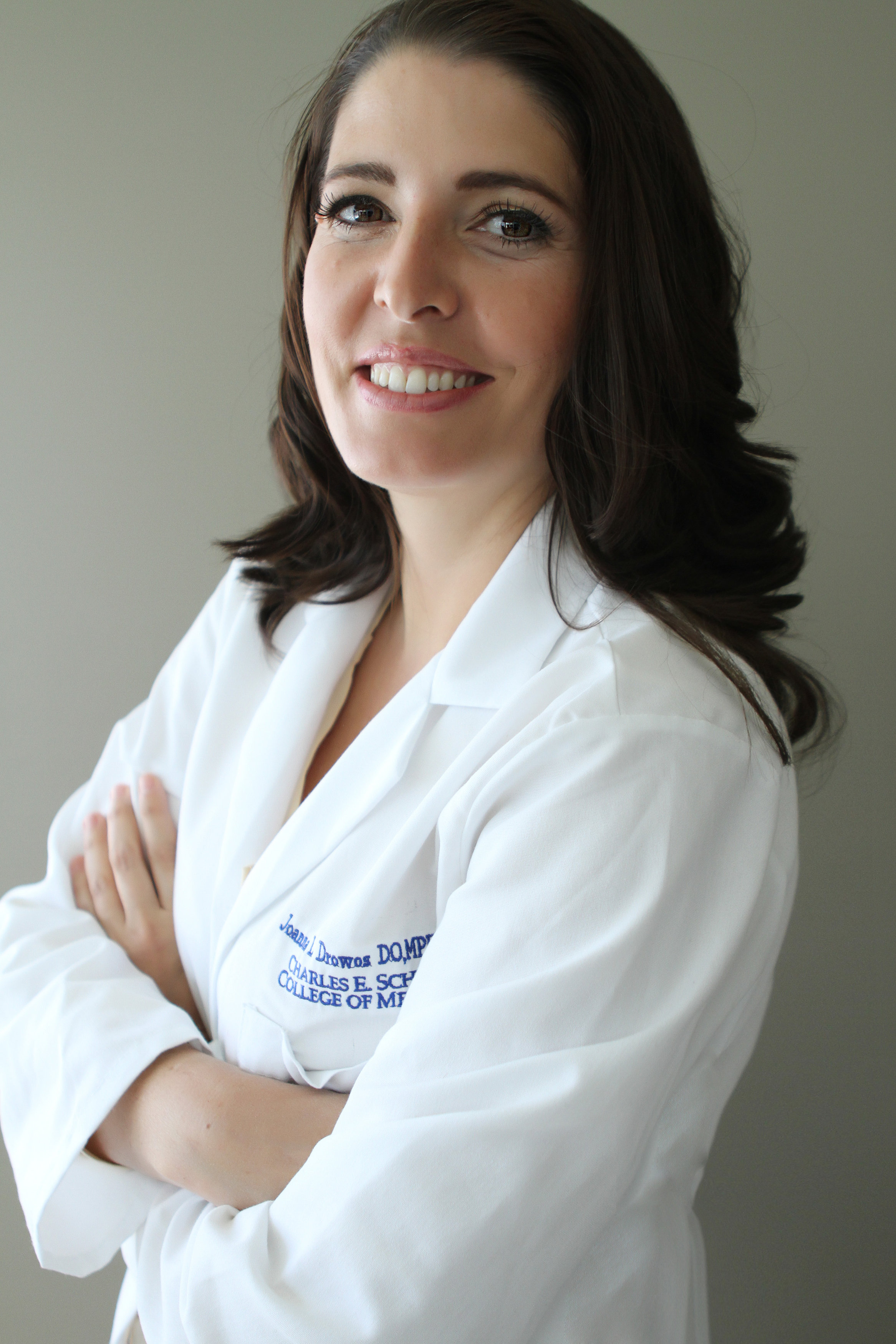
Joanna L Drowos DO, MPH, MBA

Joanna L Drowos DO, MPH, MBA

Approximately 60 seconds into the jubilation over my acceptance to the prestigious Harvard Macy Institute Course for Educators in the Health Professions, I came to the stark realization that I would now need to develop a scholarly project at my own institution. Though somewhat daunting as a junior faculty member at a very young medical school, this presented an exciting opportunity to gain more knowledge and experience in medical education.

Continue reading

Global Health: It’s Not About Becoming Worldly, It’s About Becoming Better Doctors

Heidi Chumley, MD

Heidi Chumley, MD

As we continue to evolve how we prepare medical students to join the US physician workforce, we should continue to create global health experiences that will impact how we approach clinical practice—whether that be when managing a diverse patient population or when addressing the global health issues that are now on our doorstep.

When I was in medical school, we often saw the term international health in the context of faraway villages where issues like access to clean water, sanitation, and basic understanding of the spread of disease were at the heart of figuring out how to improve a community’s well-being.

As medical students, we viewed short-term medical mission trips as our way of getting a glimpse of the world outside our environment and gaining exposure to not just tropical diseases that we would never see at home, but also to the ways that healthcare providers in these settings coped in order to care for their patients.

Things changed somewhere along the way, and what we used to call international health became global health, the term much more indicative of a connected world where diseases–and physicians–crossed borders. A decade ago it was SARS and later the avian flu. Recently we had our first cases of Ebola in Dallas and New York City. Global health, it seems, has come home.

In the journal Family Medicine, Dr John Frey III of the University of Wisconsin writes that global health experiences can be “a treatment for [US] medical myopia,” referring to a seeming inability for the US clinical and educational systems to learn from other cultures and systems. “At its best,” he writes, “global health offers a perspective based on humility rather than arrogance and on an openness and generosity of thought that changes thinking and practice in all directions.”

Continue reading