
“The mediocre teacher tells. The good teacher explains. The superior teacher demonstrates. The great teacher inspires.” —William Arthur Ward
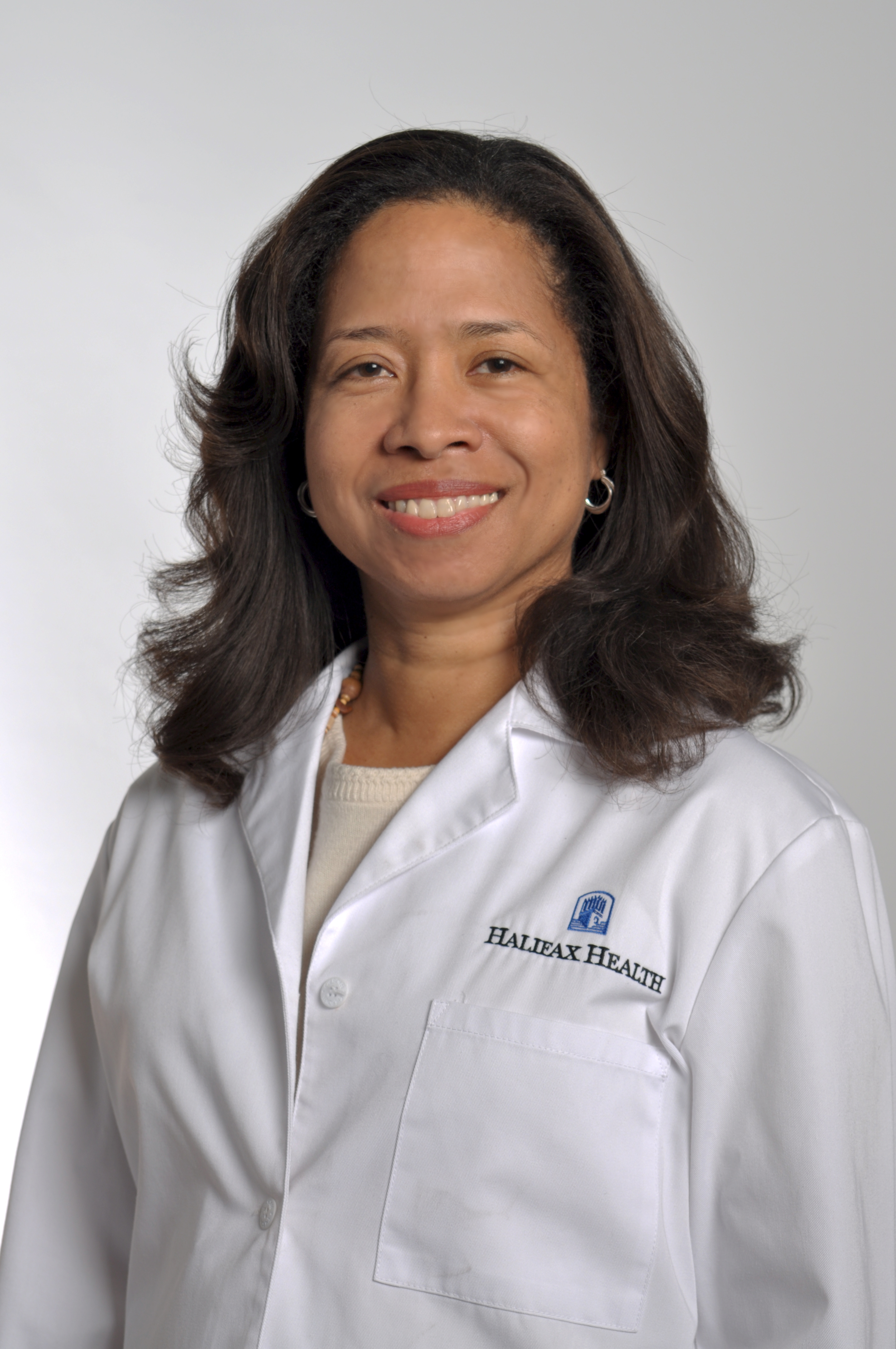
Kathryn Fraser, PhD
I honestly never imagined how rewarding it would be to help others who are starting out on their path as behavioral medicine faculty. In my own experience as a new behavioral science faculty member, I was sometimes ignored, criticized, and questioned straight to my face about my knowledge and my credibility. Fortunately, a series of very supportive program directors and fellow faculty helped me through some tough times and helped me find my voice. I often imagined what it might be like for new behavioral scientists who felt less than supported in their jobs.
My experience being a small-group mentor in the Behavioral Science/Family Systems Educator Fellowship (BFEF) was truly magical. My co-mentor and I were both focused on fostering an environment of growth and encouragement—we wanted to help the fellows to spread their wings and also feel well grounded in this unique field. Advising the fellows on teaching activities was only a small part of what we did. The bigger tasks were teaching them about self-care, helping them develop a strong professional identity as behavioral faculty, and helping them set professional boundaries. It is easy to feel like you are on the periphery since behavioral science is often considered by residents to be a small part of what they really need to learn. We try to help the fellows understand that their contributions are crucial to one of the cornerstones of family medicine—the physician-patient relationship.
The mentoring we received from the leaders of the BFEF was phenomenal. At planning meetings I felt like I was part of a think tank helping to pave the way for the future of behavioral science. This group helped bring out the best in me as a teacher and a mentor. Their support, warmth, and kindness made them excellent role models for the small-group mentors as we attempted to provide a safe, effective growing space for our up and coming fellows.

 STFM Blog