Tag Archives: wellness

Using While Pregnant

A Life-Changing Knock


By Meheret Mekonnen, MS

The fear of having a newborn taken away—this is a reality for many women who test positive for substances on a urine drug screen during pregnancy. The stigma and complications of substance use disorders are associated with insufficient prenatal care, inadequate nutrition, chronic medical conditions, and domestic violence.¹

Prenatal substance use and neonatal substance exposure have become pressing public health concerns. It is estimated that more than 4.4% of pregnant women in the United States use 1 or more substances during pregnancy.² Opioid use among pregnant women and cases of neonatal abstinence syndrome have risen alarmingly, with a 131% increase in opioid-related diagnoses during delivery hospitalizations from 2010 to 2017.² Each year, approximately 800,000 of the 4.3 million neonates born in the United States are exposed to illicit substances in utero.³ These statistics, along with countless patient testimonials, highlight the critical need for health care professionals to implement screening, brief intervention, and referral to treatment as part of routine care.

One of the many challenges clinicians and institutions face is how to effectively screen pregnant patients. Many facilities still rely on unstandardized substance use screening, often in the form of urine toxicology testing. However, urine drug screens have demonstrated poor positive predictive value and reveal significant disparities in outcomes.⁴ Historically, unstandardized screening and disclosure practices have been shaped by provider bias, particularly against single women with poor psychological, financial, or social functioning; women with delivery complications; Black women; and those receiving care in public health settings.⁵

Leading organizations—including the World Health Organization (WHO), the US Preventive Services Task Force (USPSTF), the Substance Abuse and Mental Health Services Administration (SAMHSA), and the American College of Obstetricians and Gynecologists (ACOG)—strongly recommend standardizing substance use screening as part of comprehensive obstetric care.⁶ Validated screening tools such as the 5Ps (Parents, Peers, Partner, Pregnancy, Past) offer a structured approach to assessing alcohol and substance use during pregnancy.⁷

Critics of universal verbal screening cite concerns about patient honesty, staff burden, and time constraints. Yet, successful models demonstrate that integration into existing clinic workflows, engagement of multidisciplinary stakeholders, and support from institutional leadership can facilitate adoption and acceptance.⁸

More work is needed to address disparities in substance use screening and the broader public health challenge of prenatal substance exposure. However, universal verbal screening is a meaningful step toward building patient trust, mitigating provider bias, and promoting equity in prenatal care.⁹

References

1. Wendell AD. Overview and epidemiology of substance abuse in pregnancy. Clin Obstet Gynecol. 2013;56(1):91–96. Available from: https://journals.lww.com/clinicalobgyn/FullText/2013/03000/Overview_and_Epidemiology_of_Substance_Abuse_in.15.aspx

2. Hirai AH, Ko JY, Owens PL, Stocks C, Patrick SW. Neonatal abstinence syndrome and maternal opioid-related diagnoses in the US, 2010–2017. JAMA. 2021;325(2):146–147.

3. Joseph R, Brady E, Hudson ME, Moran MM. Perinatal substance exposure and long-term outcomes in children: a literature review. 2020.

4. Chin JM, Chen E, Wright T, Bravo RM, Nakashima E, Kiyokawa M, et al. Urine drug screening on labor and delivery. Am J Obstet Gynecol MFM. 2022;4(6):100733. doi:10.1016/j.ajogmf.2022.100733

5. Madora M, Wetzler S, Jose A, Bernstein PS. Pregnant and postpartum people with substance use disorders: understanding the obstetrical care provider’s roles and responsibilities. Matern Child Health J. 2022;26(7):1409–1414.

6. Whittaker A. Guidelines for the identification and management of substance use and substance use disorders in pregnancy. By World Health Organization. Geneva, Switzerland: WHO Press; 2014. Drug Alcohol Rev. 2015;34(3):340–341.

7. Hostage JC, Brock J, Craig W, Sepulveda D. Integrating screening, brief intervention and referral to treatment for substance abuse into prenatal care [3L]. Obstet Gynecol. 2018;131:129S–130S.

8. Chasnoff IJ, Wells AM, McGourty RF, Bailey LK. Validation of the 4P’s Plus© screen for substance use in pregnancy. J Perinatol. 2007;27(12):744–748.

9. Ulrich M, Memmo EP, Cruz A, Heinz A, Iverson RE. Implementation of a universal screening process for substance use in pregnancy. Obstet Gynecol. 2021;137(4):695–701.
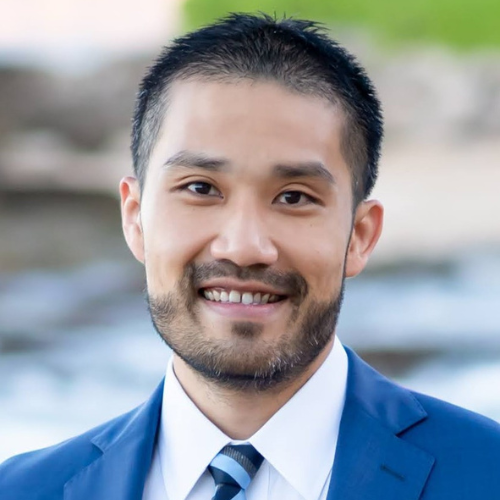
A Life in Family Medicine: Steven Lin, MD: A Journey to the STFM Presidency

The Power of Community in Family Medicine

For incoming STFM President Steven Lin, MD, STFM is more than an organization—it’s a home. “Going to an STFM conference with colleagues and friends from all over the world is like going back home for Thanksgiving!” he says. “That cozy feeling of purpose and belonging is what makes STFM and its community of members so indispensable, especially during times of challenge.” Coming from an institution that lacked a strong primary care culture, he found a sense of belonging in STFM’s network of educators and clinicians. This deep connection is why he is so committed to strengthening and expanding STFM’s role in supporting family medicine educators. “Our vision is to be the indispensable academic home for every family medicine educator” he added.

A Passion for Social Justice and Medicine

Before pursuing medicine, Dr Lin was enamored with music and musical theater. “My childhood dream was to become a symphony conductor or a Broadway musical director. By the time I graduated high school, I had learned how to play multiple instruments and earned a piano performance degree from the London College of Music.” As it turned out, fate had other plans. “It was during college that I became interested in health disparities and social determinants of health,” he says. “I dedicated much of my free time to volunteering at halfway homes in underserved communities to better understand the needs and struggles of vulnerable populations. In medical school, I committed my energies to the study and advocacy of immigrant health and addressing structural determinants,” he continued. “So naturally, I was led to pursue primary care and family medicine.”

Leadership and Lessons for the Future

“When I was younger, I never aspired to be a leader… My greatest fear was not knowing what to say or do.” However, leadership eventually found Dr Lin. “If I could travel back in time to my past self, I would impart this sage advice from Maya Angelou, renowned poet and civil rights activist: ‘People will forget what you said, people will forget what you did, but people will never forget how you made them feel.’” This perspective continues to shape his leadership philosophy, reminding him that empathy and impact matter more than perfection. “I have the same itch that drives many of my colleagues in family medicine: that deeply human urge to do something meaningful, something lasting, something that touches the lives of others, in the relatively short time we have on the planet. That, and a lot of coffee,” he said.

Finding Balance Beyond Work

When not advocating for family medicine education, Dr Lin enjoys binge-watching K-dramas and baking competitions on Netflix. He is also an avid fan of Disney, Marvel, Star Wars, Final Fantasy, and Harry Potter. “Oh, in case you’re wondering, I’m supposed to be a Gryffindor,” he quipped. And music still holds a special place in his life—especially when playing piano with his 7-year-old daughter. He stressed, “She is way more musically talented than I ever was!”  In fact, Dr Lin takes great pride in his titles of dad and husband. “I can’t think of anything else in life that is more crushingly difficult yet so endlessly fulfilling.”

A Message for Future Family Medicine Leaders

For medical students and residents embarking on their careers, Dr Lin offers a piece of advice: “Whatever it was that drew you to family medicine—whether it was a story, a cause, a loved one, a patient, a mentor—find a way to capture that memory. Write a letter to your future self, create a time capsule, or share your journey with those who can help remind you why you chose this noble path.”

The Challenges and Opportunities Ahead

As he prepares to step into his role as STFM President, Dr Lin is aware of the hurdles facing family medicine today. “There has never been a more challenging time to be a family medicine clinician, scholar, or educator. Global socio-political-economic unrest, the greed-driven corporatization of healthcare, the disruptive pace of artificial intelligence advancement, and a deepening crisis of human and planetary health all add to a practice and teaching environment that is increasingly complex. Now, more than ever, we need Family Medicine to be the countervailing force for a healthier world,” he emphasized.

When asked for his advice for young medical students and residents, he encourages future family medicine practitioners and educators to remember what drew them to the field in the first place. “Write a letter to your future self. Put photos in a time capsule. Share your personal journey with family and friends so they can help you remember why you walk this noble path,” he recommends. “The crippling forces of the modern medical-industrial complex can weigh you down sometimes. Whatever it was that drew you to family medicine—a story, a cause, a loved one, a patient, a mentor—find a way to capture that memory so that you can always go back to it when times get tough.”

Looking Forward

With a deep commitment to the future of family medicine, Dr Lin is ready to lead STFM into a new chapter. His vision is clear: to foster community, advocate for primary care, and support practitioners and educators in their vital work. “STFM members are on the frontlines, being the change that we so desperately need,” he says. “I’m proud to stand alongside each and every one of our members in this fight, and I look forward to finding new ways to support and empower our amazing community of family medicine heroes.”

Prior to being sworn in as president of the STFM Board of Directors, Dr Lin served as member-at-large on the STFM Board of Directors, the chair of the Artificial Intelligence in Medical Education Task Force, and the chair of the Telemedicine Curriculum Task Force.