
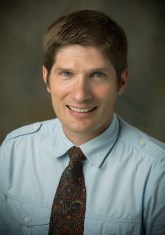
Randall Reitz, PhD
#researchismypants
#takeitlikeahurdle
Mentorship has been around since the era of The Odyssey. In the poem, as Odysseus prepares to leave for the Trojan War, he entrusts his son Telemachus to the tutelage of his trusted colleague, named Mentor. Our modern usage of this term extends from Homer’s character, but mentorship has evolved greatly in the nearly 3,000 years since (and now occasionally involves hashtags).
I recently had the privilege of being a small-group mentor with STFM’s Behavioral Science/Family Systems Educator Fellowship (BFEF). I worked alongside Jill Schneiderhan, MD, to provide guidance to four early career behavioral medicine faculty and it was the highlight of my year.
My own small group was smitten with hashtags. They provided a pithy lingua franca to describe and unify our experiences. The two hashtags at the top of this post linger most in my memory.
#researchismypants came from a tear-filled (joy and sadness) discussion during our final dinner together. One of the fellows declared that she had just sworn off wearing pants. I observed that “research is my pants” and that I had just sworn off research. Neither of us could further abide these noxious crimps on our preferred lifestyle.
#takeitlikeahurdle came from the ride home on Highway 5 after that dinner. One of the fellows observed that she had recently sprinted across the same interstate earlier in the day, yelling for her husband to leap over the median “like a hurdle”.
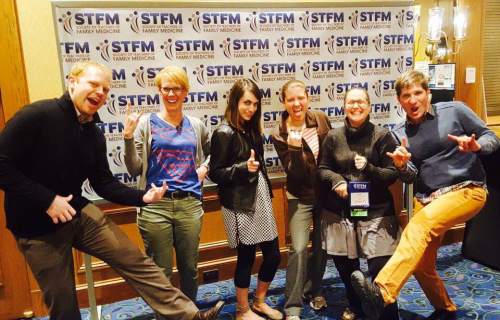
Randall’s BFEF Small Group
These hashtags encapsulate much of the tension of early career professionalism. People entering a new field face the dual pressures of being as helpful and generous with their colleagues as possible (to ingratiate themselves to the system). They also need to begin to delimit the scope of their job descriptions so that they maintain sanity and high self-expectations for work quality. The new professional needs to bring both positive energy and expertise to the projects they take on (ie, #takeitlikeahurdle) but also assert the confidence and negotiating skill to decline opportunities that aren’t a great fit (#researchismypants).
Each of the fellows successfully navigated experiences that embodied this tension, whether it was making a tough decision to change residencies for a better fit, standing up to a challenging colleague, enduring with pride the difficulties of relationship strife, or confronting unhealthy expectations from their department. It was an honor to scaffold our mentees during these trials. It was a thrill to watch how our charges came through stronger.
By my estimation, the BFEF Fellowship is an eminent example of modern mentorship. What does it look like?
- Intensive face-to-face mentorship at two STFM conferences and the Forum on Behavioral Science Education
- Individual, small-group, and large-group meetings
- Monthly small-group phone calls
- Weekly synchronous and asynchronous points of contact (ie, email, project feedback)
- A professional learning contract to personalize and guide the experience
- A community of volunteers that support the mentors
This fellowship is one of many run by STFM, including training programs for leadership, practice transformation, teaching medical students, and medical journalism. These great offerings are constantly looking for faculty, advisors, and trainees, and I highly recommend you apply. Having experienced STFM training as both a mentee and mentor, I can attest to the richness of the experience from both sides.
#mentorshipalwaysevolves
#mentorshipneverchanges



 STFM Blog