
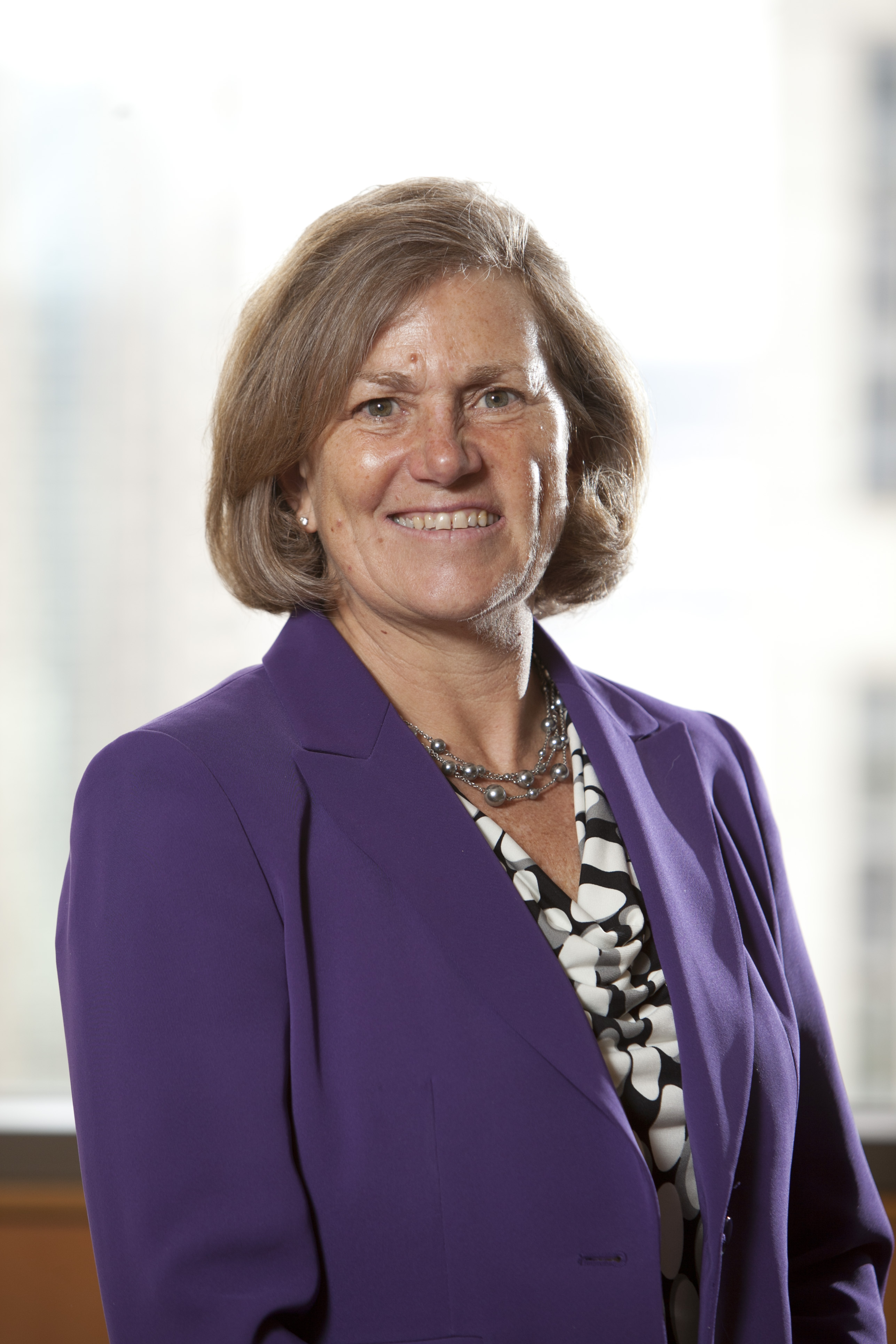
Jeri Hepworth, PhD,STFM Past President
What a fortunate path I have been on. But it is a path that more of us can take, and that is the core message of this blog post. As a behavioral scientist in family medicine for more than 30 years, I grew up in parallel with the discipline of family medicine and have been part of the community of behavioral science faculty who help family physicians know what it means to care for real people, for families, and to do so collaboratively with other health care professionals. Over time, I felt included and valued in my department, in my medical school, and in our national organizations, especially the Society of Teachers of Family Medicine (STFM). So what a thrill it was to be elected STFM president. But it was not without trepidations.
As STFM President-Elect, I attended my first meeting of CAFM and Working Party. Forgive the funny names, but they represent the Council of Academic Family Medicine organizations (STFM; ADFM, the organization of departments and chairs; AFMRD, the residency directors; and NAPCRG, the primary care researchers). The Working Party includes the CAFM organizations, plus the American Academy of Family Physicians (AAFP), the American Board of Family Medicine, and the AAFP Foundation. Together, the organizations work to ensure coordinated positions and grapple with vision and leadership of family medicine. These meetings represent ideal examples of Covey’s work of being both important and not urgent, of taking the time to consider what family medicine is accomplishing, and very powerfully, what should be the next steps.
Not surprisingly, attending my first meetings of these groups was intimidating. But, on the first morning, I received this email from my husband, Robert Ryder: “You are not a non-physician. You were elected to represent the educators in family medicine. So you represent the future of family medicine. Go do good work.” I must say, I walked a bit taller after that email, and over the last couple of years of leadership within national family medicine, I take these statements very much to heart. And I want others to recognize these truths.
Behavioral science clinicians and educators have the skills needed for leadership in our departments, in our health care systems, in our agencies and policy-making arenas, and in our national organizations and advocacy efforts. We know how to listen and include others. We can elicit divergent views and withstand conflict. We know how valuable it is to include the views of those who feel less powerful in systems. We can tolerate the anxiety that emerges in systems under stress or facing change. We know how to help groups create goals and vision, though we sometimes need help determining whether differences actually emerged. So we know we need collaborators, and generally we know how to play well with others. If we have been successful in working in settings in which our professions were the minority, we have learned these skills. And they are exactly the skills needed for effective leadership.
I truly enjoyed giving talks as president of STFM. Unlike presentations about my work, I learned that I didn’t need to hold back, because I wasn’t talking about me. I was representing something greater than me. To be grandiose, and also accurate, I was able to talk about a future and vision of compassionate, effective health care. It wasn’t a form of bragging about my work or ideas; it became a responsibility to do the best I can to help achieve our common goals. I was given a wonderful platform and support to do so.
And the beat goes on. I will still take the opportunities to advocate for family medicine, for primary care, for integrated health care systems that are focused first on patients and families and that require the collaboration and skills of many. But I also have a commitment to encouraging others to stand up and participate in advocacy and leadership for our common visions. The Collaborative Family Healthcare Association and STFM create wonderful platforms for us to do so. Let’s not waste these opportunities.
 This is the first in a series of collaborative blog posts between the Collaborative Family Healthcare Association and the Society of Teachers of Family Medicine.

 STFM Blog