The Two-Way Patient-Doctor Relationship and Physician Resilience

tenegraj_0005web

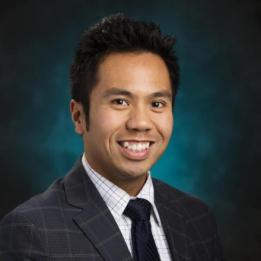
Johnny Tenegra, MD

So much of 21st century medicine can seem dehumanizing. Whether it is handling prior authorizations by insurances, signing hundreds of orders from pharmacies, or even spending hours in front of a computer screen clicking checkboxes on your electronic medical records, I think to myself that this is not why I entered medicine. As much as every day seems to come to routine, we can’t forget about the memorable moments that come with those special doctor-patient relationship encounters. I spent some time reflecting on my work in academic medicine and realized there have been many times that my patients have helped me be resilient.

Sometimes my patients have great suggestions. I had just finished precepting my last patient, but the clinic was supposed to be finished a half hour ago. I had had a busy afternoon, multitasking, handling phone messages, nursing issues, and even interviewing a resident applicant when I received a message about a patient needing some lab results (thank goodness they were normal!), and I had to call her with a message. I apologized that it was a busy week and for the length of time it took to respond to her, and she detected that I was tired. Realizing it was a late night, my patient then said, “Go home and get some dinner with your wife. I’ll be okay.”

Sometimes my patients are my coaches. Several months later, a couple of my patients noted I was running behind, and I sat down to thank them for being patient with me that day. They told me that I was a sweetheart for not making them feel rushed and that they appreciated my listening to their thoughts and suggestions. Feeling a boost of enthusiasm to get through the rest of my clinic, I gave them a couple hugs for the extra pat on the back.

Continue reading

Writing Accountability Among Faculty: Finding Your Tribe

Yuet, Wei headshot (1)

Cheng Yuet, PharmD

In navigating the chaos of clinical practice, teaching, and committee service, it can be difficult for family medicine faculty to prioritize scholarship amongst other weekly—or even monthly—responsibilities. Possible barriers to scholarly activity include the increased need for didactic or experiential teaching, lack of awareness of different forms of scholarship, and few role models or mentors for scholarship.1

Formation of a writing group or writers’ circle is one method to garner peer support or augment faculty mentorship programs with regards to scholarship.2-5 Here, participants have a forum to discuss potential projects, get suggestions for research dissemination, and receive feedback on current projects. More importantly, writing groups encourage faculty to schedule and protect time for scholarly activity. Faculty participation in writing groups has resulted in an increased number of publications and improved confidence among junior faculty.5

How do you set up a writing group? Here are five steps for success:

  1. Identify colleagues who will hold you accountable—this is your tribe.

A tribe is defined as a group of people with common characteristics, occupations, or interests. Your writing group should consist of individuals who have a variety of expertise, are open to discussing scholarship, and share an availability to meet at least once a week. Most writing groups described in health professions literature have approximately four to ten participants.2-5 They do not necessarily need to be collaborators on existing projects. However, writing group participation could most certainly lead to new collaborations!

Continue reading

The Moment I Became More Human

Rebekah Rollston

Rebekah Rollston, MD, MPH

It was the first day of my rural primary care health fair week, and my second patient of the day taught me a lesson that will continue to affect my practice of medicine for the duration of my career.

Within 1 minute of entering the patient room, by myself, I learned that my 48-year-old male patient was an ex-convict, released from prison about 8 months ago. This was not the first time he had been in prison… he has been in and out of jail and prison since the age of 15. Within these first few moments, I became fearful for my safety, and I desperately wanted to exit the room. Fortunately, I held myself in my chair and continued to listen to my patient, who has often been regarded as not worthy of respect by society and within the health care system.

He talked to me about his health concerns, countless suicide attempts, incarcerations, reasons for incarcerations, and his current living conditions. I was in awe of his willingness to so freely talk with me about such sensitive subjects, and I was devastated by much of the history he provided. I listened as he proudly told me about the tent he lives in behind Target and was humbled by his pride that his tent area is the cleanest in his tent community. I listened as my patient described various suicide attempts and was saddened by the story of his Coumadin overdose suicide attempt (with the hope that it would burst every blood vessel in his body and kill him). I was honored to be the provider whom he so proudly told the only illicit drug he sometimes uses is marijuana. He was proud to state that he quit abusing prescription pain medications, alcohol, and tobacco. I talked with my patient about impulse control, mental health resources, and employment opportunities. My patient presented for health clearance for his applications for employment.

However, my encounter with him enriched my education and provided me with the first opportunity to see the “human behind the bars.” My patient is a man struggling with severe mental health disease and nearly constant problems with the law. Despite this, he is a human, and I was honored to be the provider for whom he let this shine through. I learned early on that Wednesday morning the degree to which genuineness and respect can impact patient care, impact the patient on a very personal level, and can change the life of a (future) physician. I discovered in these moments my calling to family medicine, to provide holistic health care to my fellow humans.

Humanism is a large part of the art of family medicine, and patients are, first and foremost, human beings. May I always practice the words of Maimonides: “The physician should not treat the disease but the patient who is suffering from it.”Namasté.